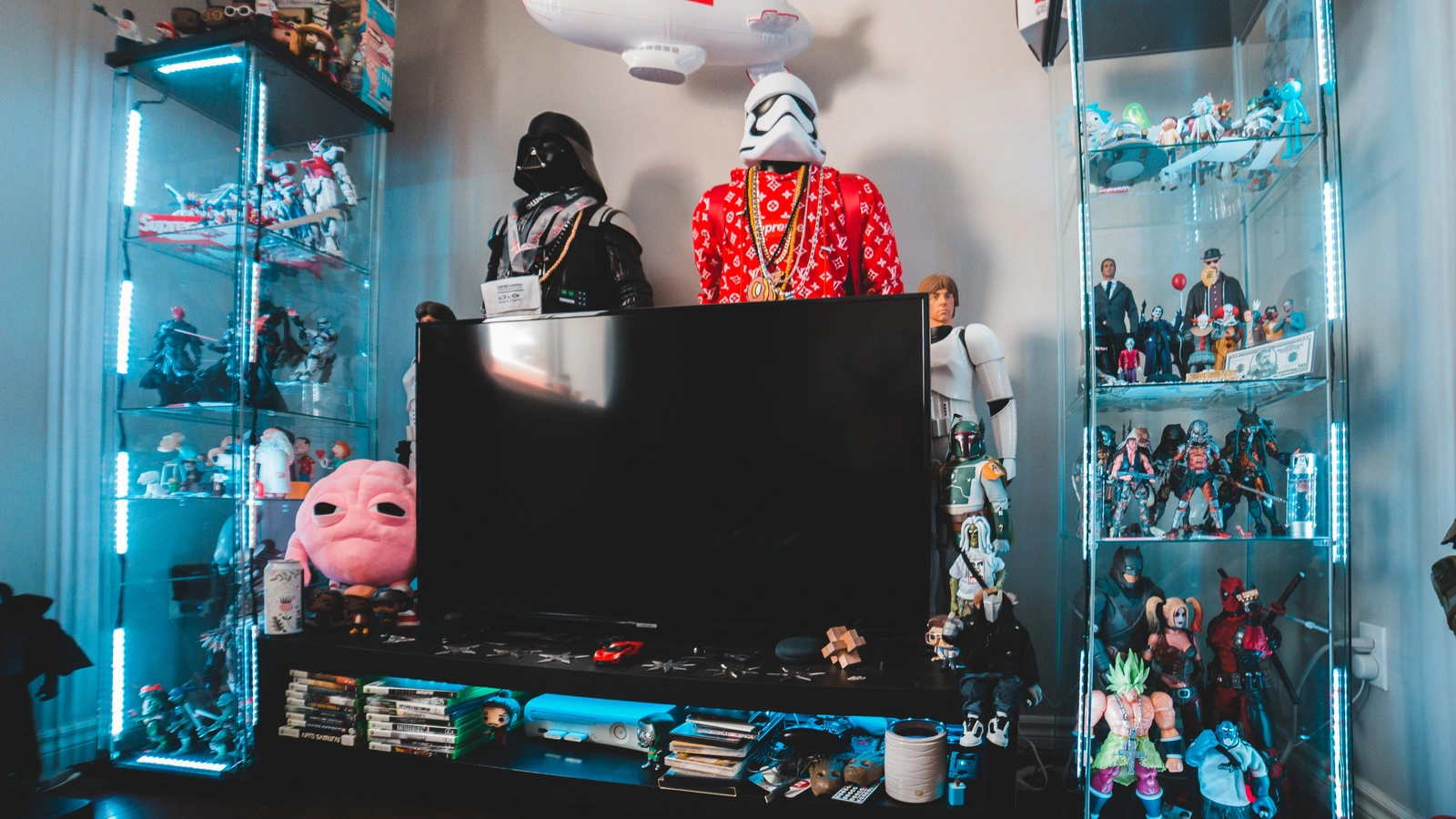
What Happens to Your Collection? Preparing It for Whoever Comes Next
Your collectibles may stay with you for decades, but the person who eventually takes over may not know what each item is or why it matters. Leaving a simple record today can help keep a lifetime of collecting from becoming a group of objects no one knows how to understand.
I’ve known several collectors who have passed away, and I’ve seen what happened to some of their collections afterward. Items that had taken years to gather were sold off together. Sometimes no one knew exactly what an item was, which edition it belonged to, or what it might reasonably be worth. Boxes and accessories could become separated simply because the people handling everything afterward did not know the collection the way its owner did. It was not necessarily because the family did not care. The problem was that much of the information disappeared with the person who knew the collection best. Seeing this happen made me wonder: if one day it were my own collection, would the person taking over know what all those things in the cabinets and boxes actually were?
What Seems Obvious to Us May Be Unknown to Everyone Else
Collectors often know their own things almost automatically. A quick glance may be enough to recognize a special edition, remember which box should be kept, or know which small accessory belongs to which figure. Because it feels obvious to us, we rarely think about writing it down. But someone who has never collected the same things may see nothing more than shelves of figures, books, toys, and boxes with no idea where to begin. They also cannot know which item was the first one you collected, which was a gift from a friend, or which one you would never want casually thrown away unless someone tells them.
You Don’t Need to Catalog the Entire Room
Recording a collection does not mean documenting hundreds of items at once. Start with five or ten that matter most. Take a clear photo. Write down a name that someone else could search for. Note where the box or accessories are kept. And if there is a story you want the next person to know, add a few lines about it. Some items may need nothing more than a photo and a name. Others may deserve an entire paragraph. That is fine. Not every collectible means the same thing to us. The important part is not leaving all of that information in one person’s memory.
An Online Record Is Another Option
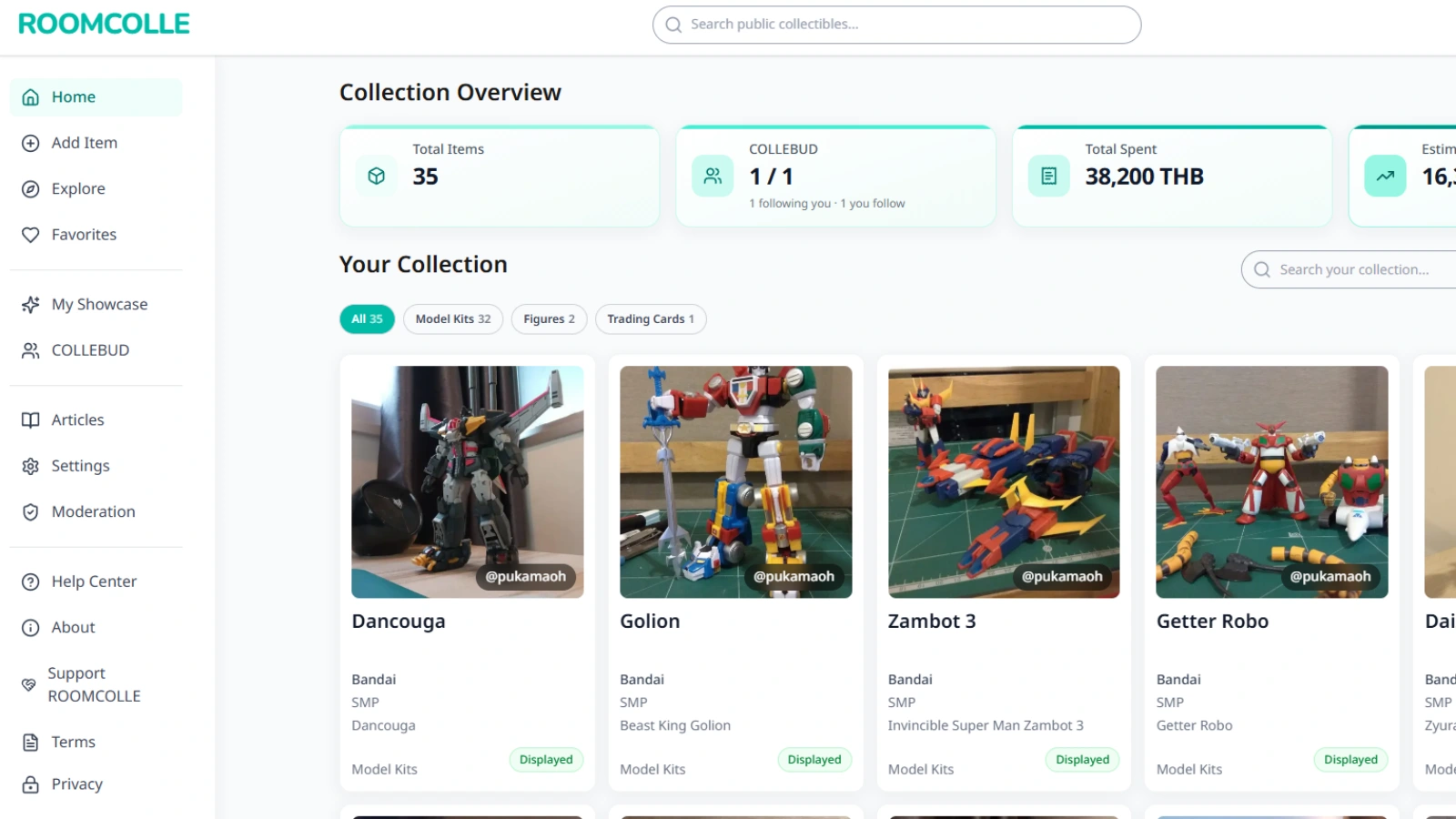
You can use a notebook, a spreadsheet, or your own files. What matters is knowing where the information is and making sure the person who may need it later can actually find it. Another option is to keep a record of the collection online. This is one of the reasons ROOMCOLLE was created. You can keep photos, names, and details for individual items and see them together through My Showcase, even when some of the physical items are in a cabinet, some are in boxes, and others have not been taken out for years. It does not decide whether the next person should keep, sell, or give away your things. But it can at least help answer the first important question: “What exactly is here?”
One Item Is Better Than Never Starting
None of us knows where our collectibles will be ten or twenty years from now, or who will eventually take care of them. But we can choose to preserve some information today. Pick up one item and ask yourself: if I were no longer here to explain this, what would I want the next person holding it to know? Write that down. Another item can wait until another day. Physical collectibles can be passed from one person to another quite easily. The knowledge and stories attached to them are much easier to lose. If we want those to travel with the collection, we have to leave something behind for the next person to read.
roomcolle.com